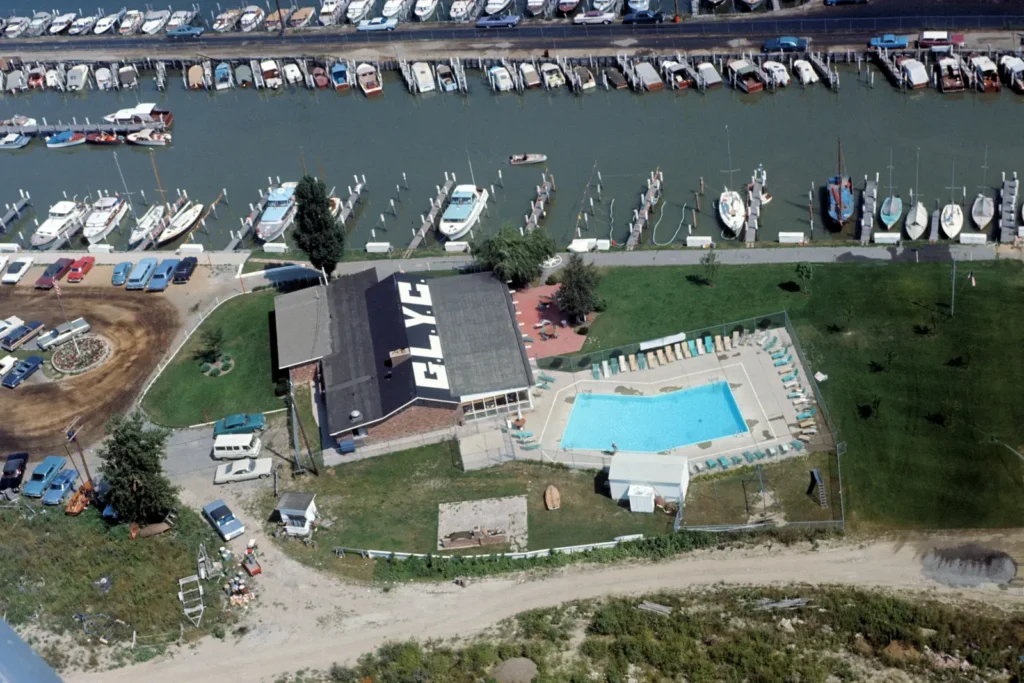
Few suburbs are as tied to the water as St. Clair Shores. The city's history runs from French settlers at L'anse Creuse in the early 1700s to Prohibition, when rum runners used the lake and roadhouses lined the shore. The most famous of them, the Blossom Heath Inn, opened in 1911 as the Kramerhof, gained a ballroom and a reputation in the 1920s, and was bought by the village in 1946 to become a civic center. Today the nearby Blossom Heath activity pier reaches 395 feet into Lake St. Clair. That sense of history, and of the lake, is part of what locals are proud of and what visitors come to feel.
The Nautical Mile on Jefferson between 9 Mile and 10 Mile is the city's showcase. Marinas, waterfront restaurants and boat businesses share the strip, and the 28-story Shore Club tower rises nearby as the tallest building in town. In summer it is busy every weekend, with boaters docking for dinner and visitors walking the piers. Aqua Fest takes over the strip each July. For a business there, the biggest risks are slow website menus, outdated hours and poor photos, because visitors decide on the spot from their phones, often while standing on a dock.
Away from the water, Harper Avenue and Greater Mack Avenue carry the everyday economy. Harper runs north and south through the city with shopping centers, restaurants, auto shops and medical offices, and it has become the route of the Memorial Day Parade, which in 2024 drew about 2,500 participants. Greater Mack has turned into a small downtown with a Social District and summer Saturday events. Veterans Memorial Park at Jefferson and 13 1/2 Mile hosts Music on the Lake concerts on summer Wednesdays and the city's fireworks.
The customer base shapes the message. St. Clair Shores is older and more settled than many suburbs, with a median age near 45, and many residents have lived here for decades. They value reliability, local reputation and service, and they read reviews. At the same time, the lake draws younger visitors and new homeowners who discover businesses through Instagram and Google Maps. Good marketing here respects both: dependable information and real reviews for long-time residents, plus video and social content that captures the lake for everyone else.
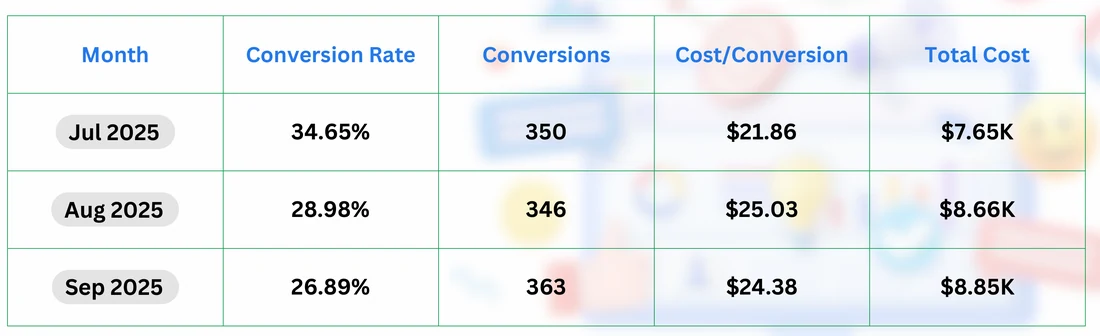
A practical plan usually starts with season-aware fundamentals: a Google Business Profile with accurate summer and winter hours, consistent listings, and a mobile site that shows menus, services or slip details clearly. Then we layer in search ads that ramp up and down with the weather, social campaigns aimed at boaters and lake lovers across the metro, and short videos filmed on the water. Monthly reporting shows which months, channels and messages bring in calls, bookings and visits.